

This post may contain affiliate links
Add Bake with Zoha as a preferred source on Google and find more of my tried-and-tested recipes.
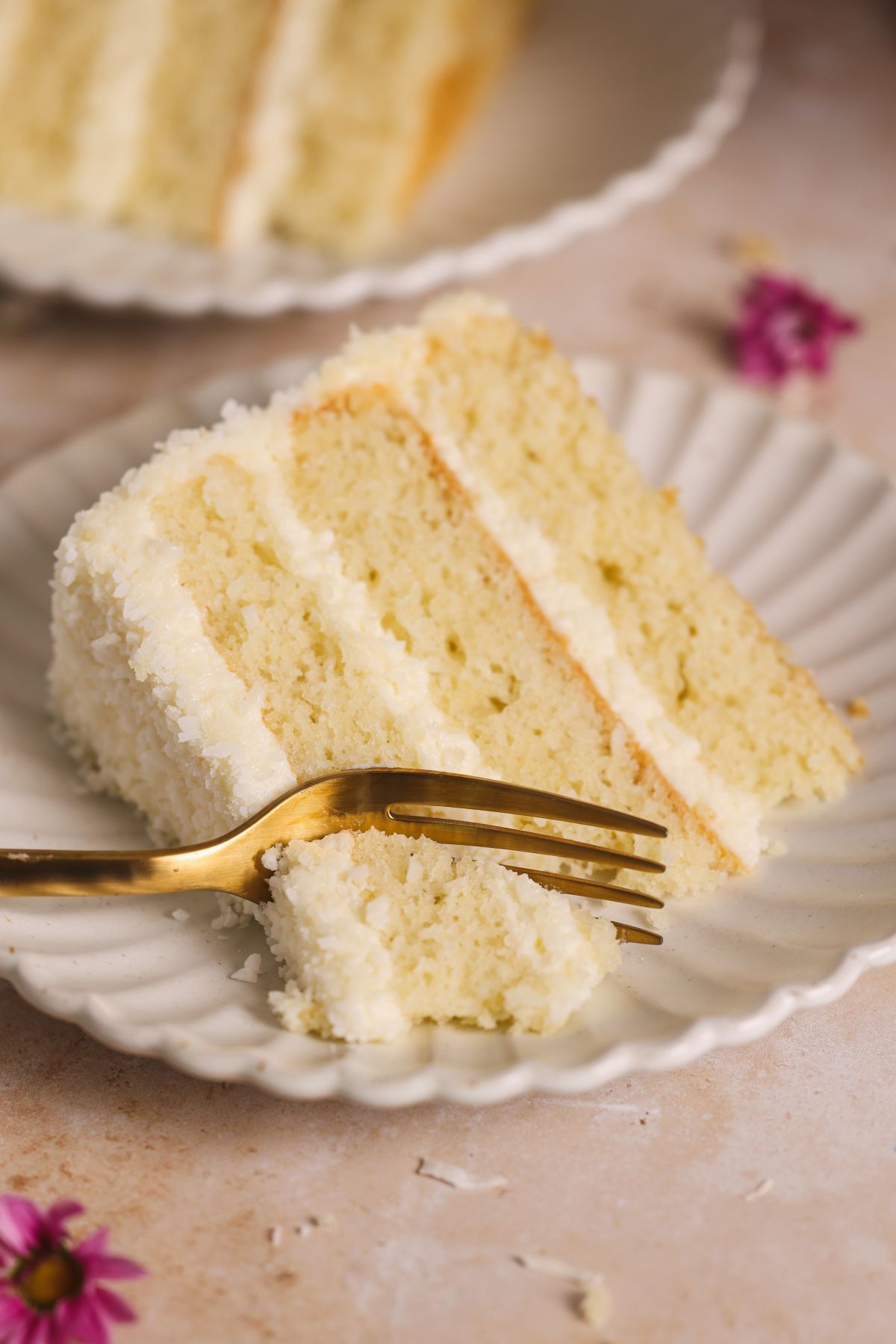
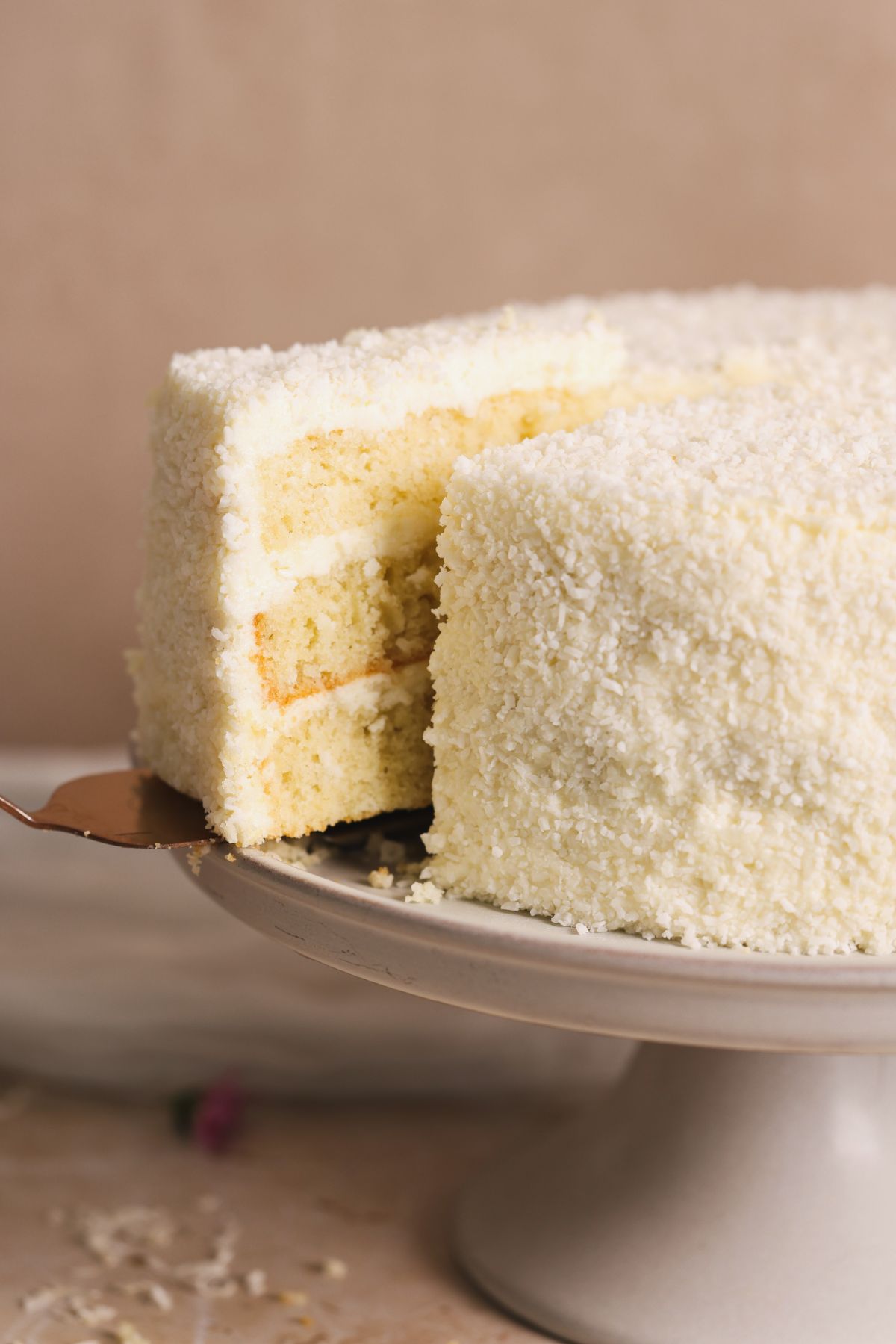
This is the *ultimate* Coconut Cake! Soft, moist, and incredibly light – with a delicious coconut flavor and coconut cream cheese frosting. This cake is incredibly easy to make, comes together in just one bowl without a mixer. It uses canned coconut milk, finely desiccated or crushed coconut (no chunky bits!), and an optional splash of coconut extract for its bold coconut flavor. This recipe uses oil and buttermilk for extra moisture, cake flour for a fluffy, tender crumb. (Although you can use all-purpose flour too), and just the right amount of sweetness. Topped with a luscious coconut cream cheese frosting and covered with more coconut, it is the perfect showstopper year round. But especially for Easter, summer, and Christmas.
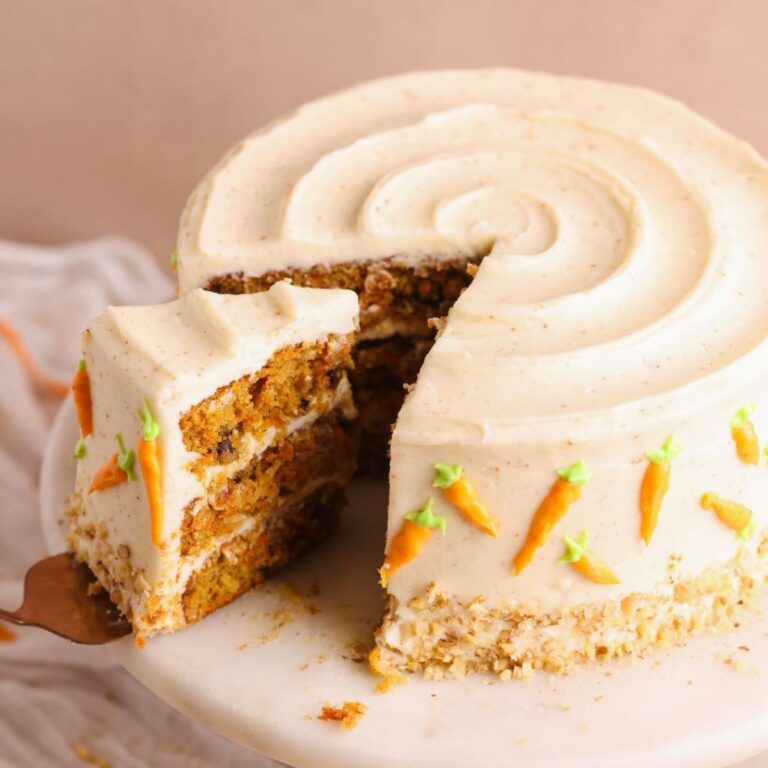
Another delicious and easy cake recipe you can check out for Easter is my carrot cake which uses pineapple and coconut for a delicious tropical flavor.
Picking The Right Coconut Ingredients
This cake uses two key ingredients to get its strong coconut flavor, and it is really important to use the right ones:
1. Canned coconut milk
This is NOT the coconut milk in the dairy or refrigerated aisles used as a creamer in coffee! We are talking about the unsweetened canned coconut milk in the canned food or international food aisles, which is commonly used in cooking Thai food. Also, make sure not to pick a “lite” version, as you want all the fat for a moist cake.
Canned coconut milk often forms a solidified cream top in the can and can be a bit chunky. In order to avoid this, run the can under hot water for 1-2 minutes, and give it a good shake before opening!
2. Sweetened finely desiccated or crushed coconut
This coconut cake recipe uses coconut in the cake batter and cream cheese frosting, and then also on top of the cake. The type of coconut to use in cakes is often VERY confusing, and I am here to clear it up for you. These are the common terms you will find on coconut packaging:
- Coconut flakes: These are larger coconut shavings – generally too big to be used in baking
- Shredded coconut: These are thin, long strands of coconut that come both sweetened and unsweetened, and often give baked goods a chewy, chunky texture
- Desiccated coconut: This is finely grated coconut in very small crumbs, and is perfect for baking when you don’t want a chunky texture. However, desiccated coconut is strangely difficult to find in stores
These are not standardized terms. You may find shredded coconut from two brands, but one may have longer, thicker strands.
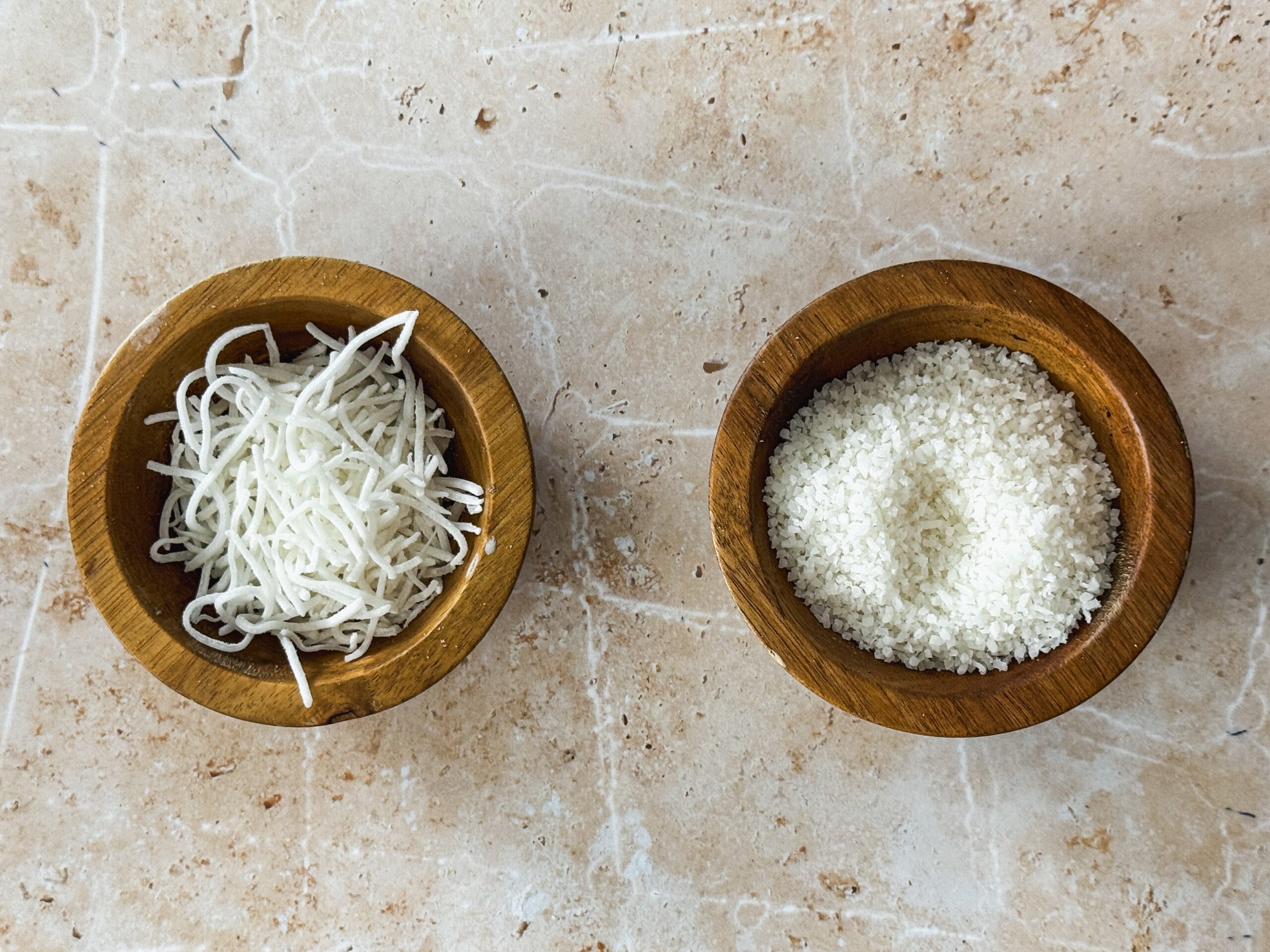
To avoid confusion, choose the smallest sweetened coconut you can find, ideally desiccated or shredded, and pulse it in a food processor until it forms very fine crumbs. If you can find finely desiccated sweetened coconut that is already in the form of small crumbs, you don’t need to process it.
Below is a picture for your reference. On the left is the “shredded” coconut I found at my grocery store (which is way too big – trust me, I tried using it in my cake and regretted it). On the right is the same coconut after I crushed it in my food processor – and this is what we’re going for!
Pro Tip
If you want an even stronger coconut flavor and aroma in your cake, I highly recommend toasting the coconut before crushing it! Spread it evenly in a baking sheet, and bake at 325F for just 5 minutes, then let it cool down before using.
A Note On Texture
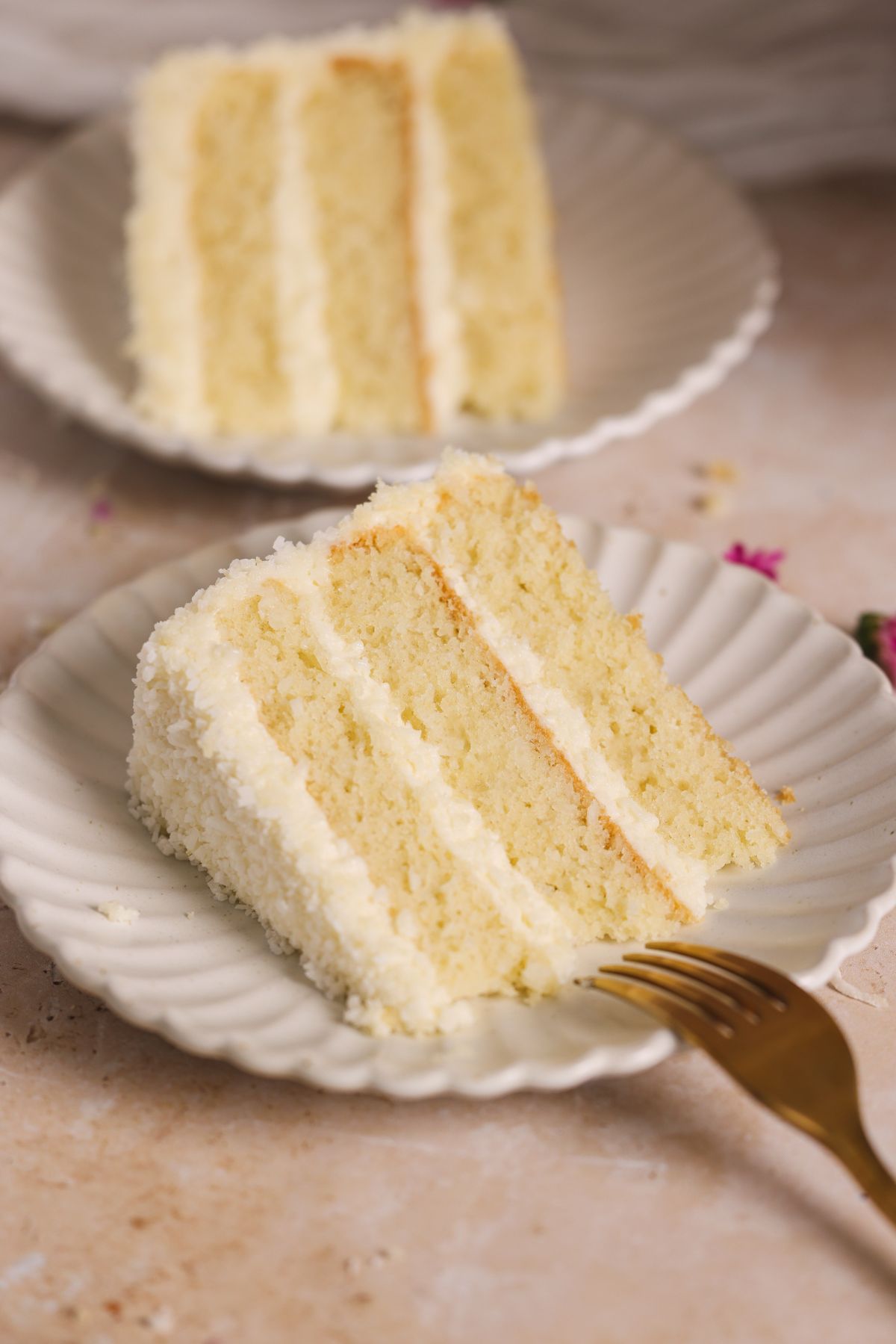
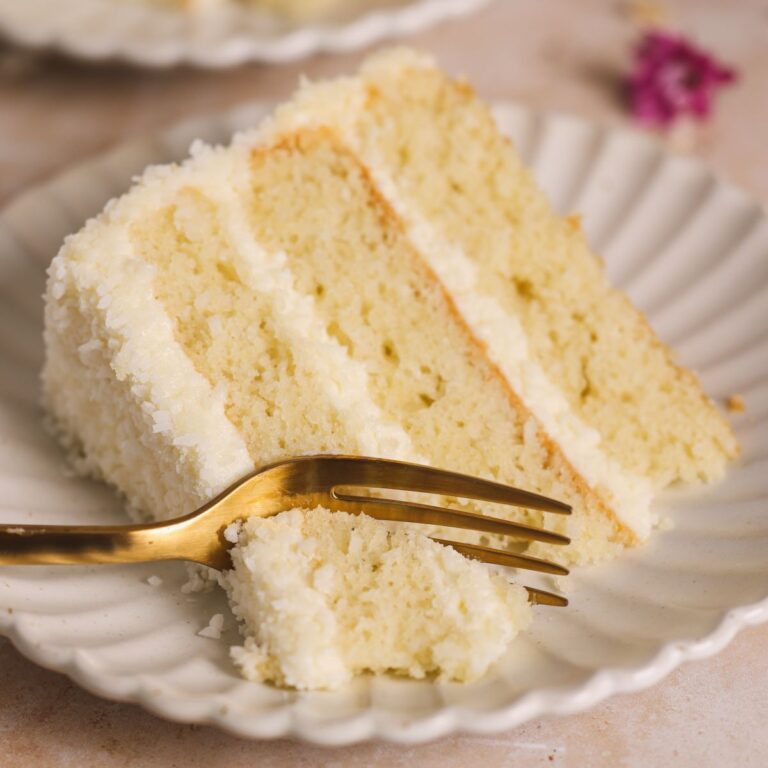
Because we are using finely desiccated / crushed coconut in this cake, it doesn’t have a chunky, unpleasant texture. However, there is still a gentle coconut texture throughout, which adds a bit of chew and character to it and is characteristic of coconut. Coconut lovers will love this texture, but if you want a smoother mouth-feel, you can skip the coconut in the frosting and coating.
Step By Step Photos
Let’s quickly go over the steps with photos to help you visualize this coconut cake recipe:

Add the sugar, oil and eggs to a bowl.
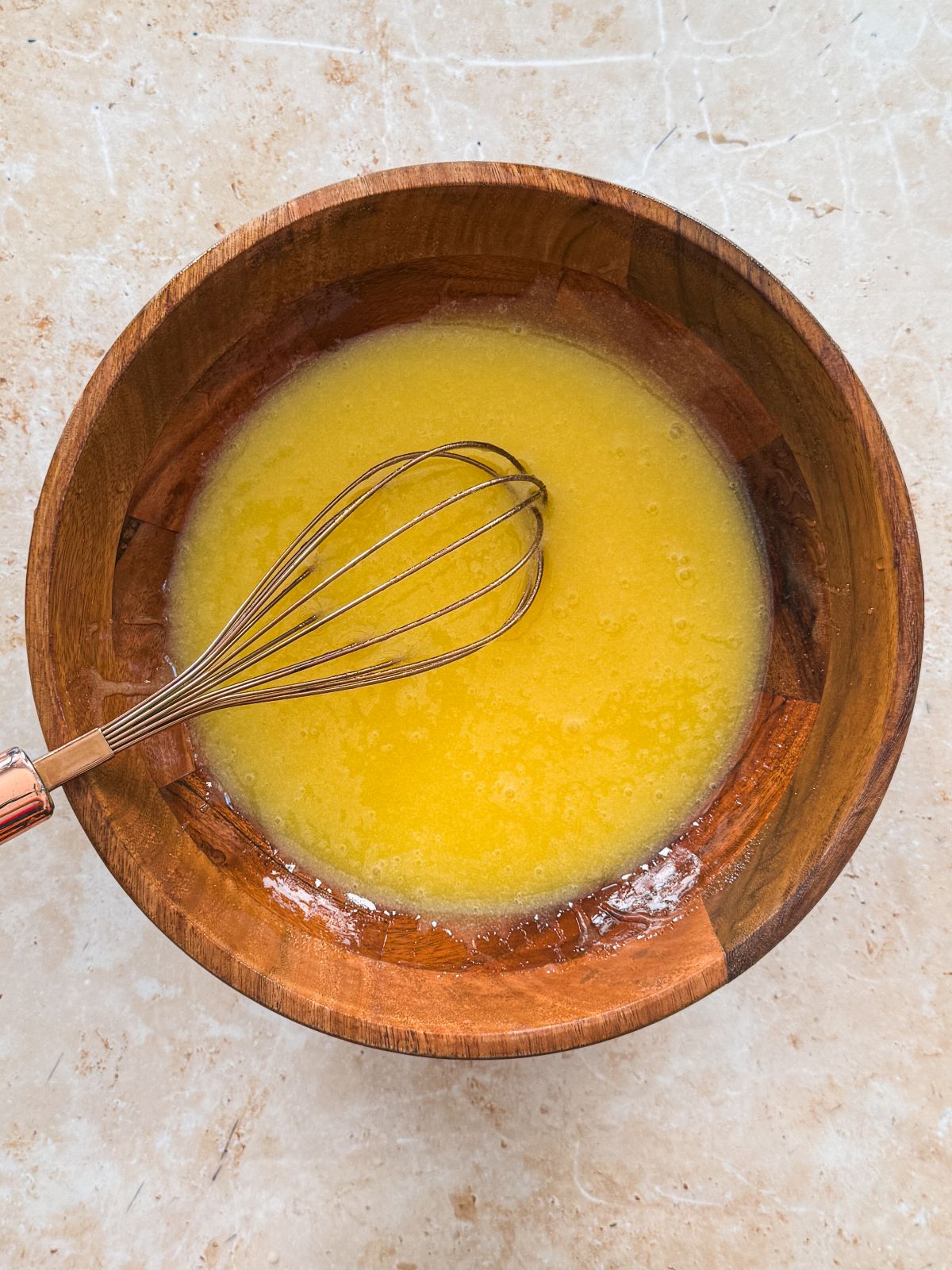
Whisk for 1-2 minutes until smooth and fluffy.
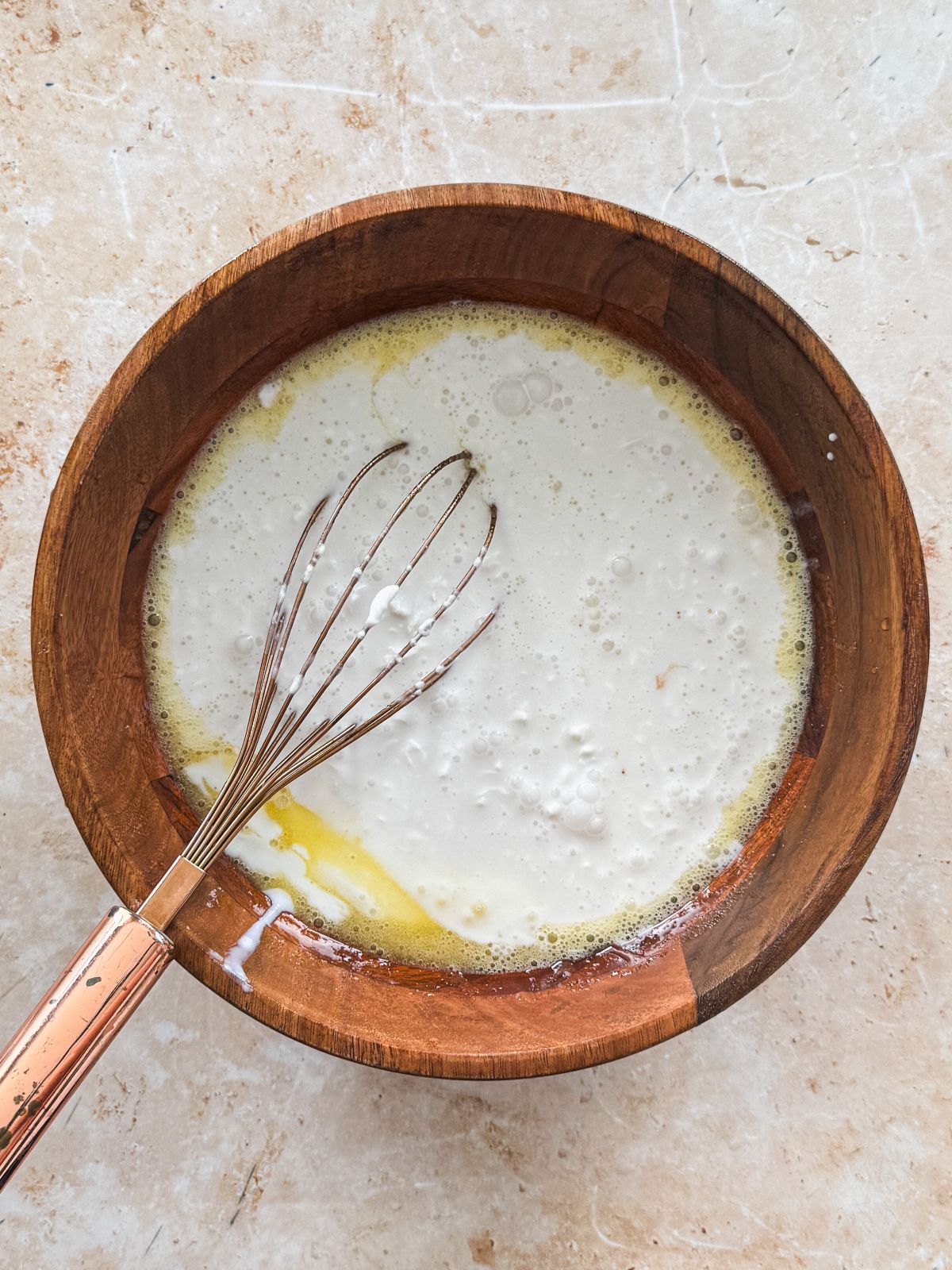
Add the canned coconut milk, coconut extract, buttermilk and vanilla.
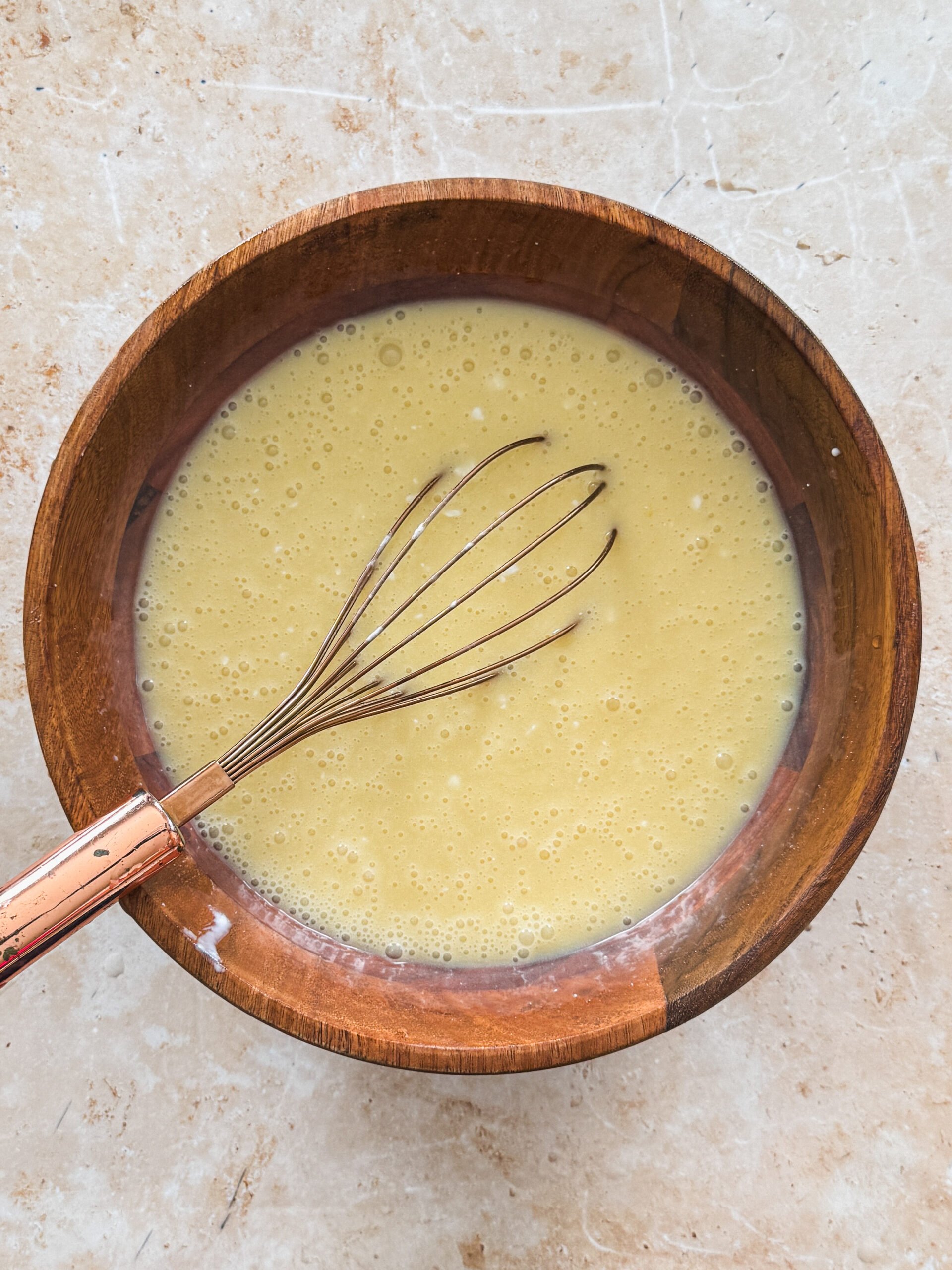
Whisk it again until all the ingredients are combined.
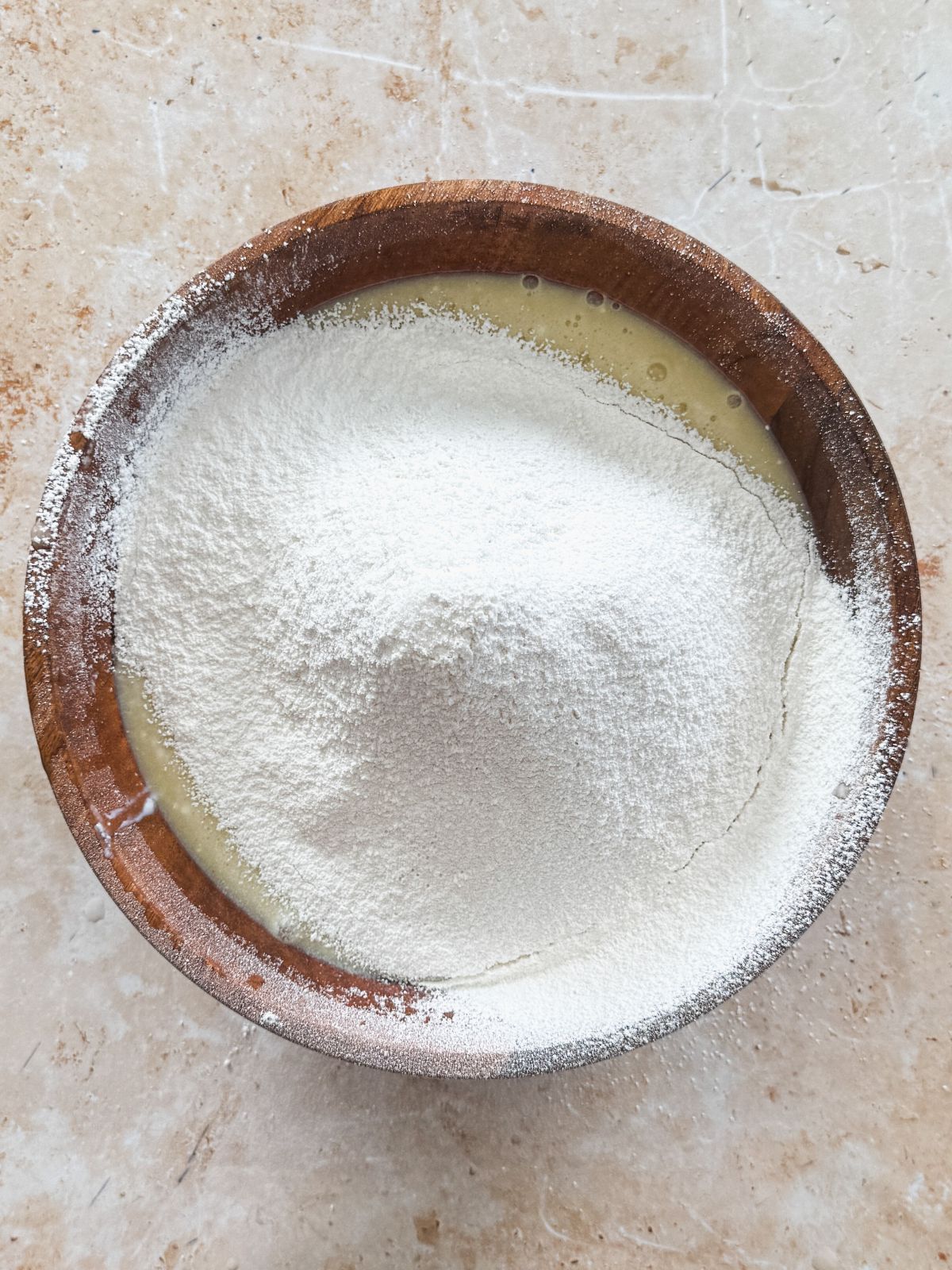
Sift in the flour, baking powder, baking soda and salt.
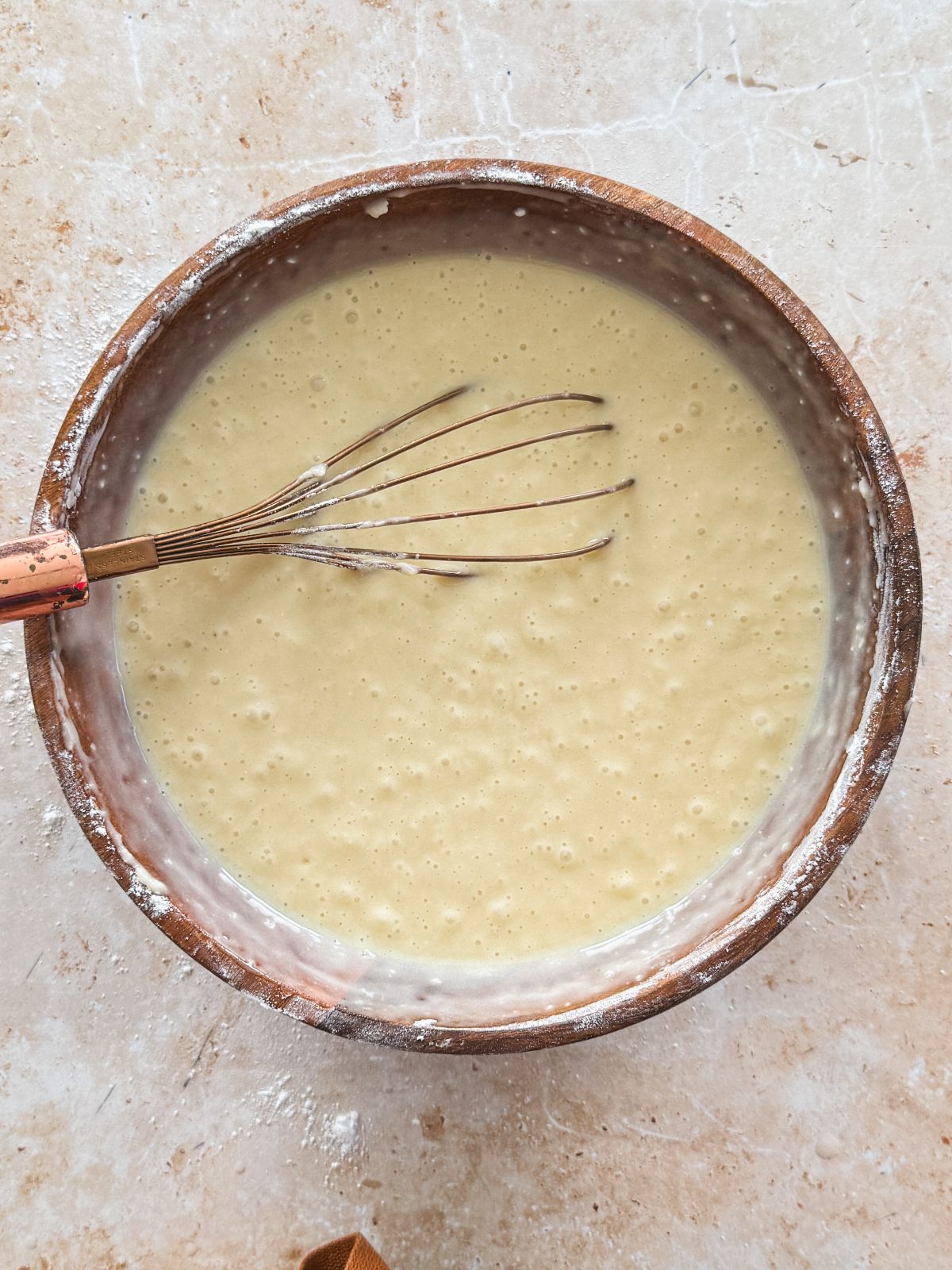
Gently whisk until no lumps of flour remain.
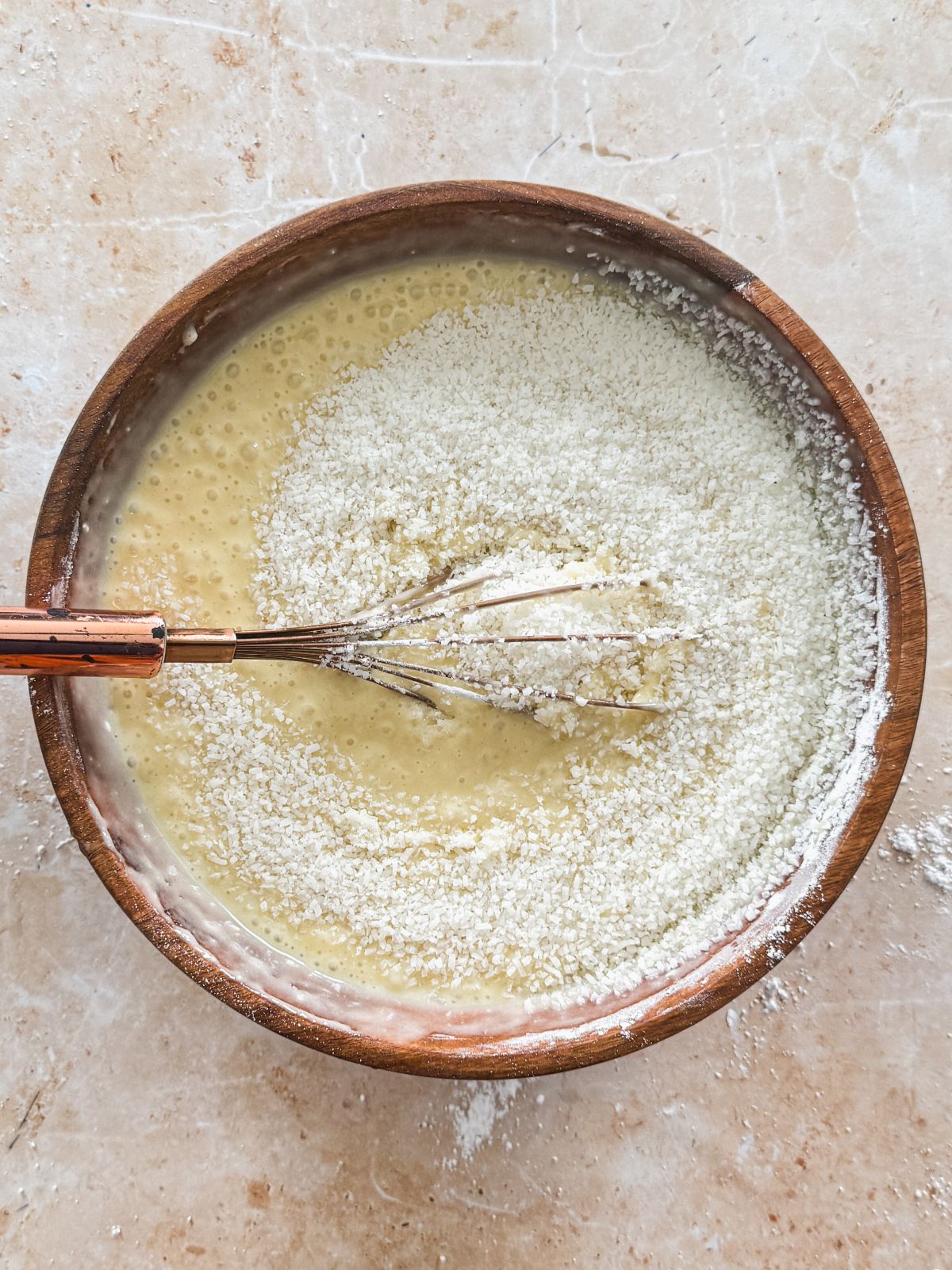
Lastly, add the coconut.
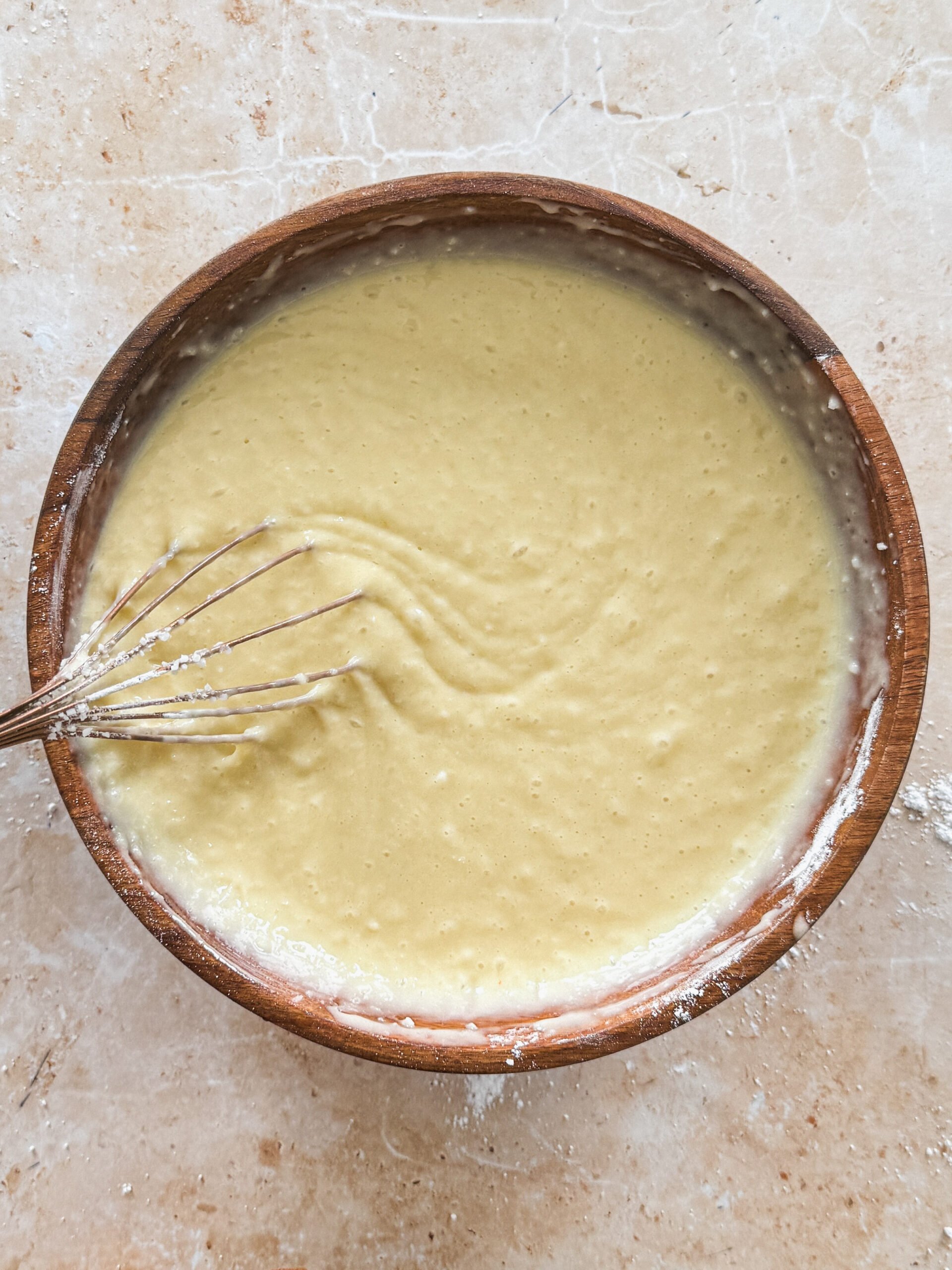
Gently whisk until combined.
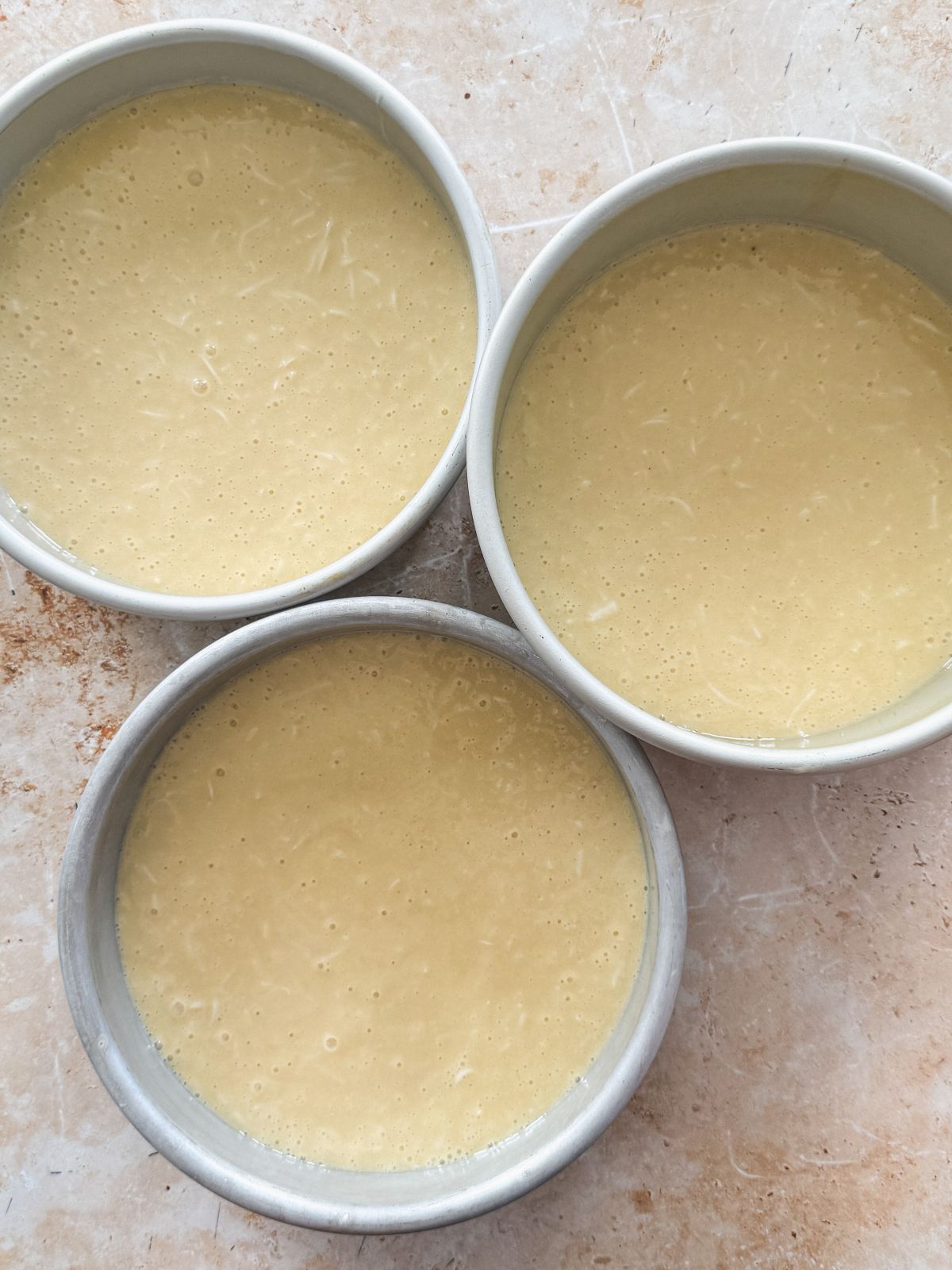
Divide the batter between 3 8″ pans.
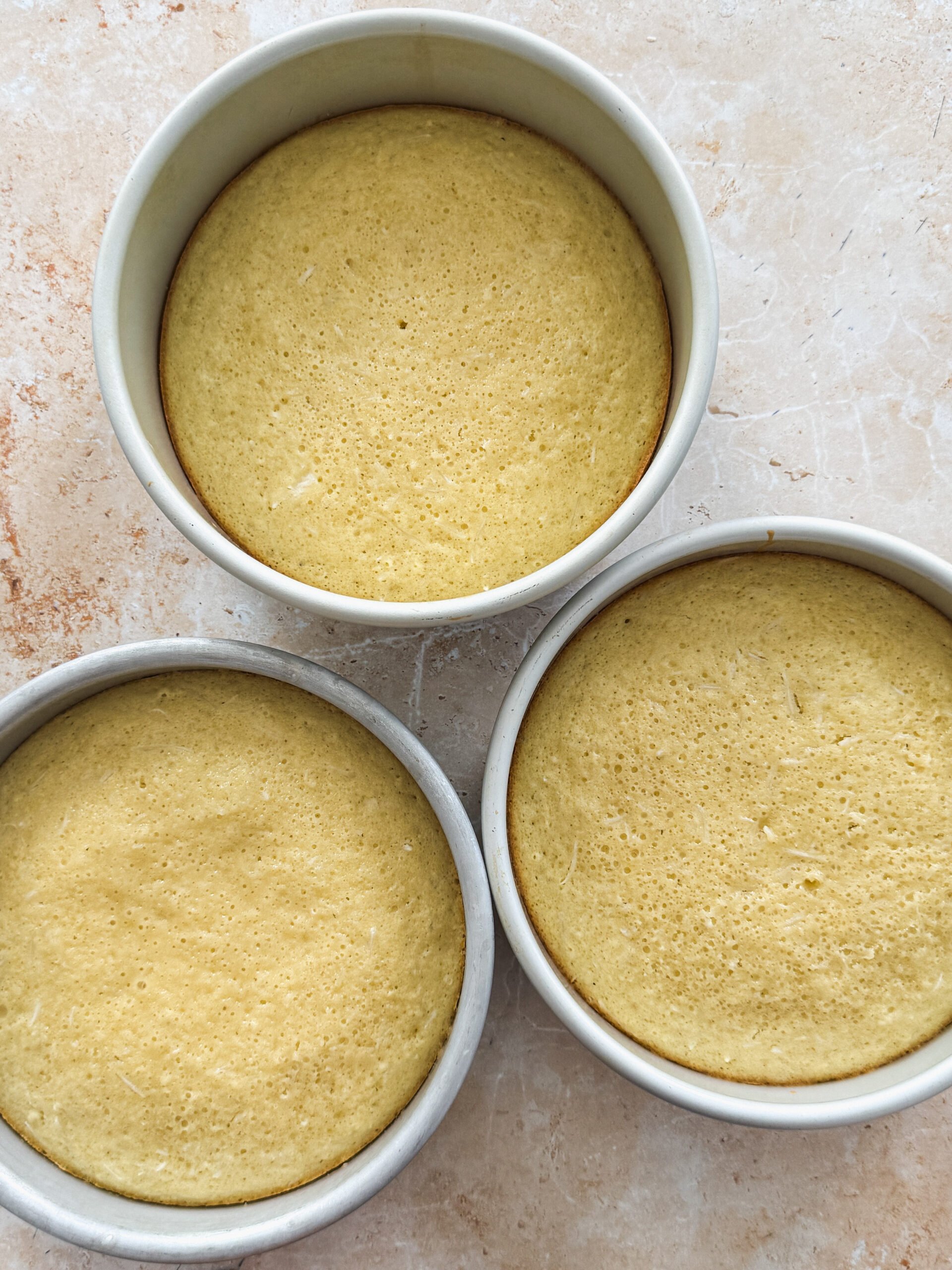
Bake the cakes, then let them cool down.
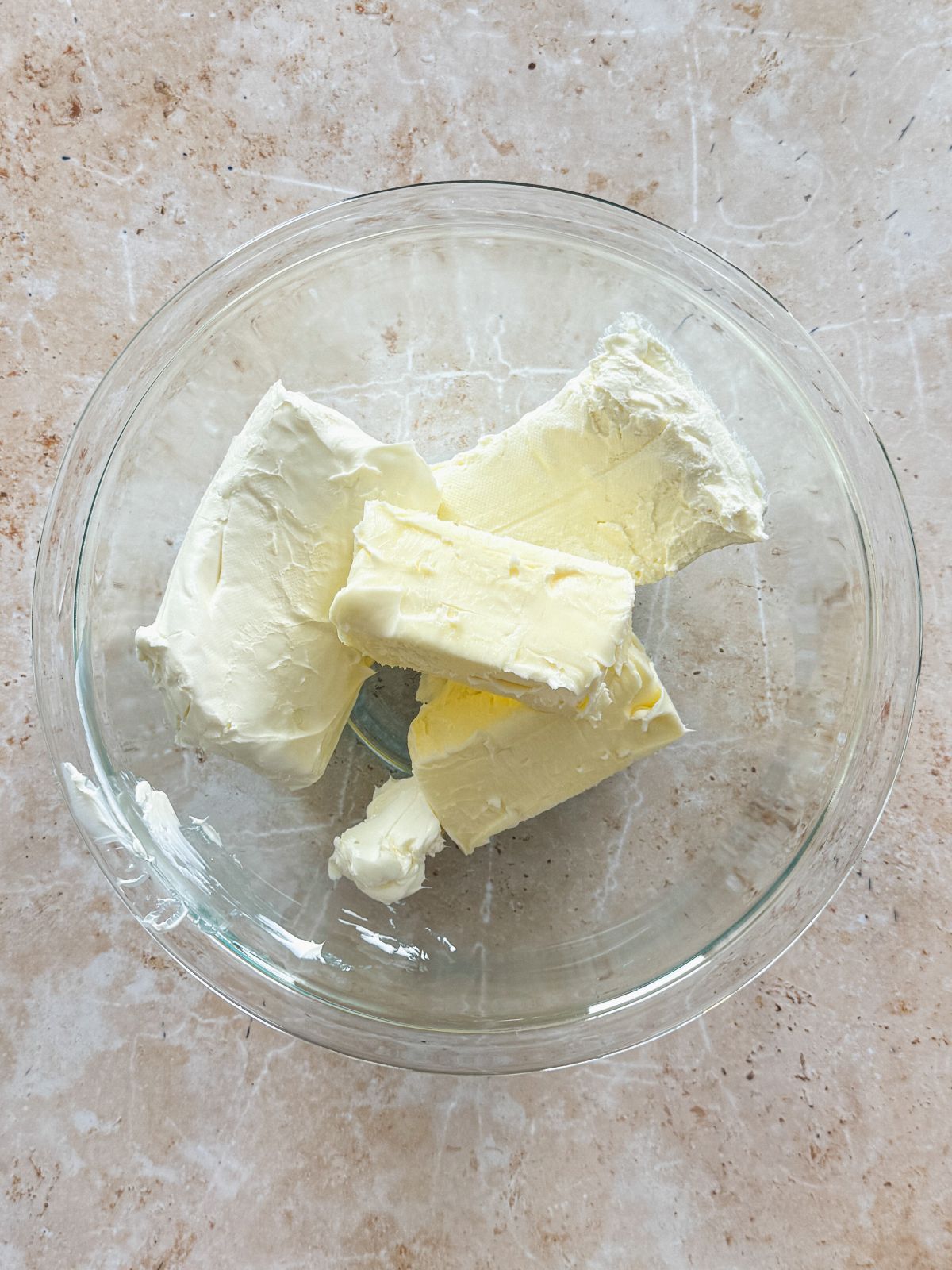
For the frosting, whisk the softened butter, cream cheese, vanilla, salt and coconut extract until creamy.
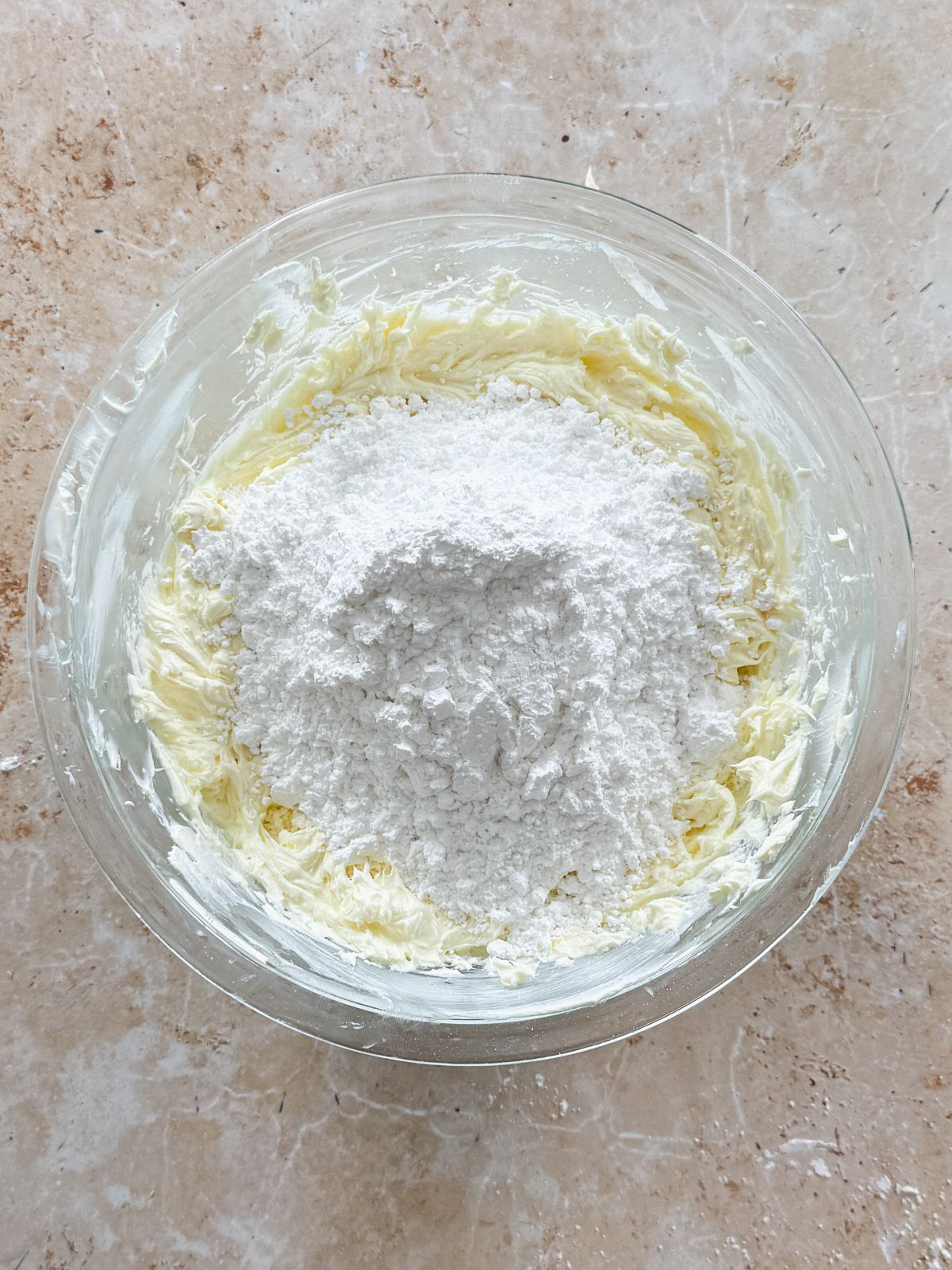
Sift in the powdered sugar and whisk to combine.
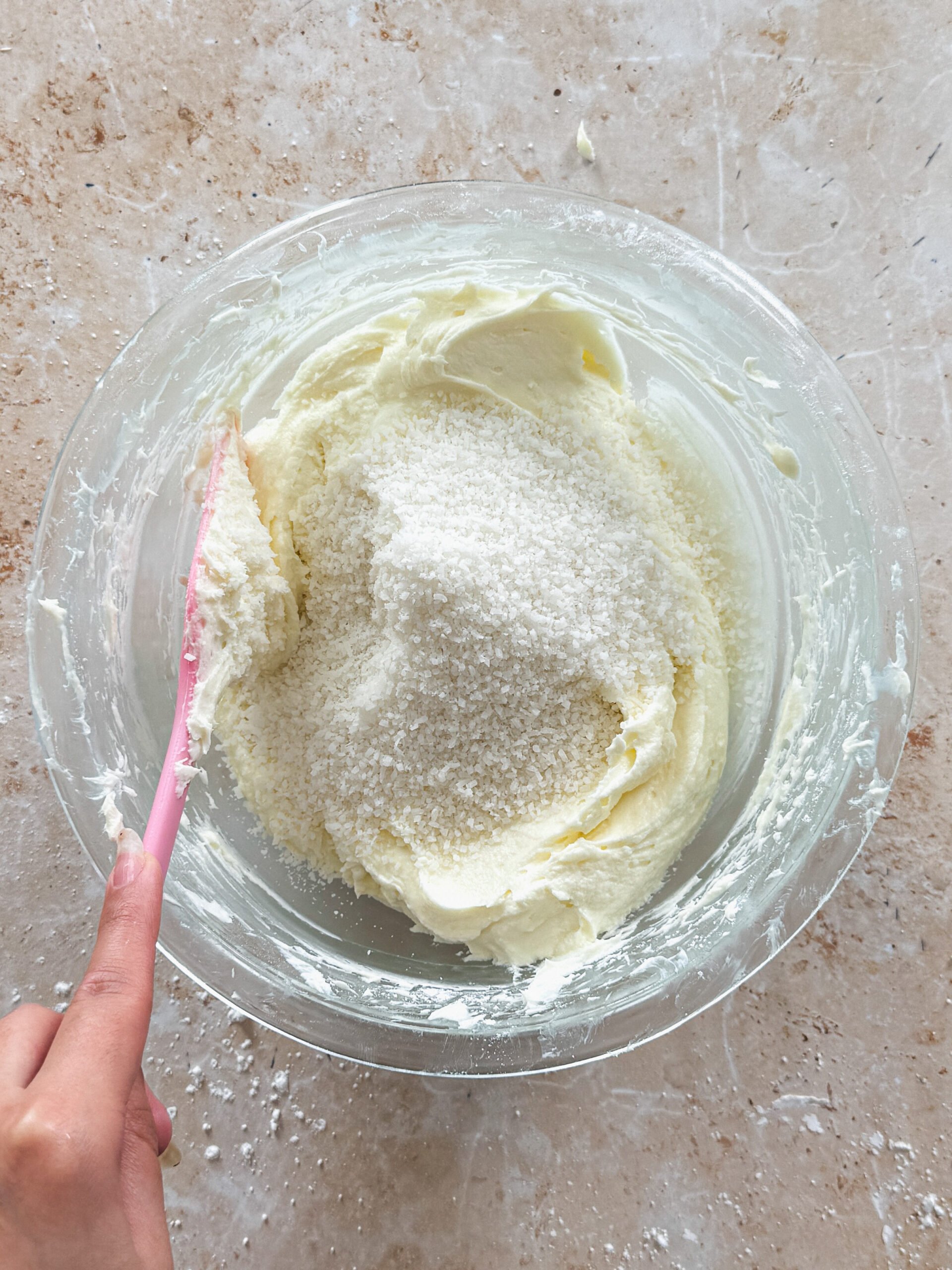
Lastly, add the coconut.
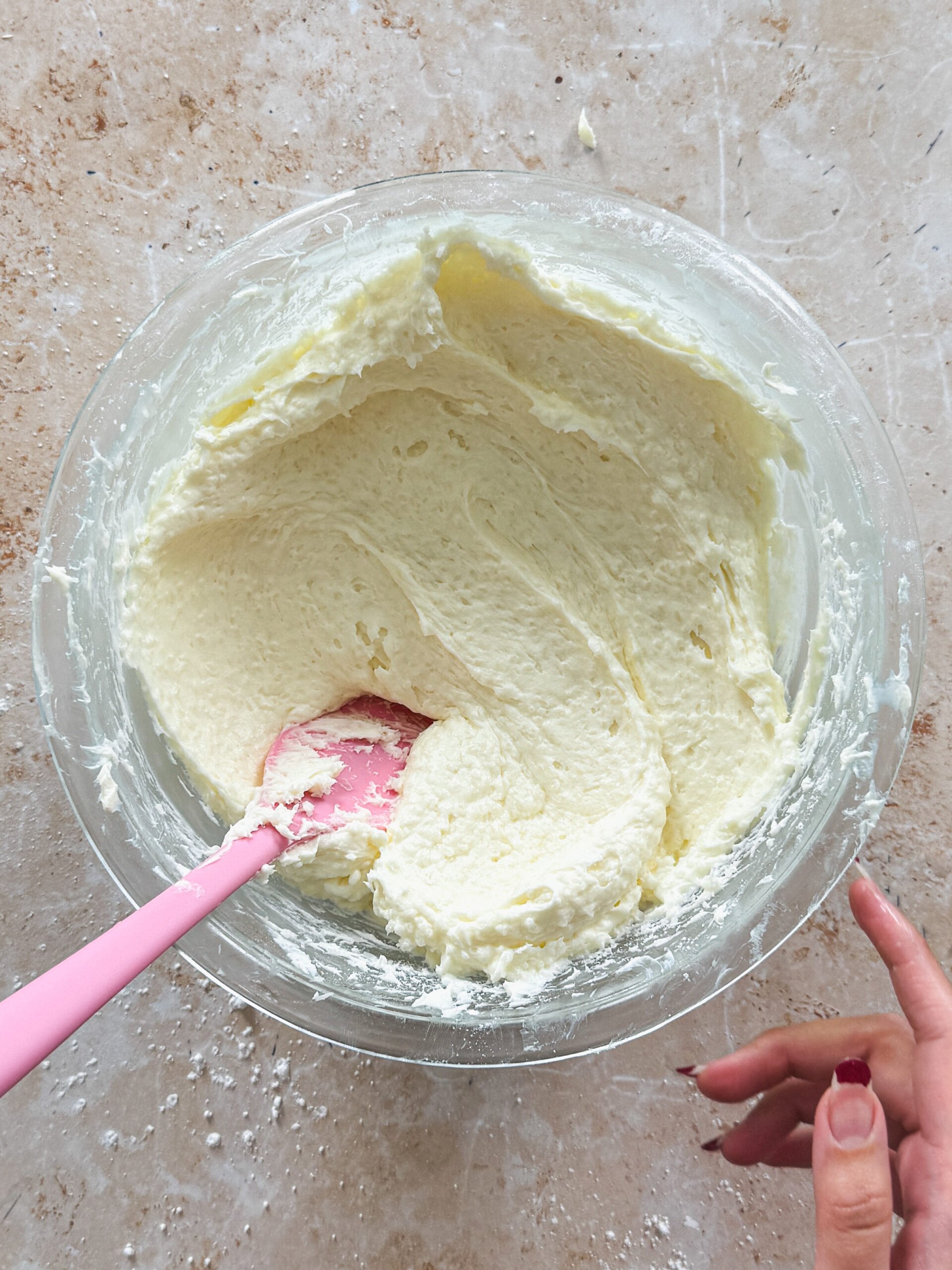
Fold until the coconut is mixed in.
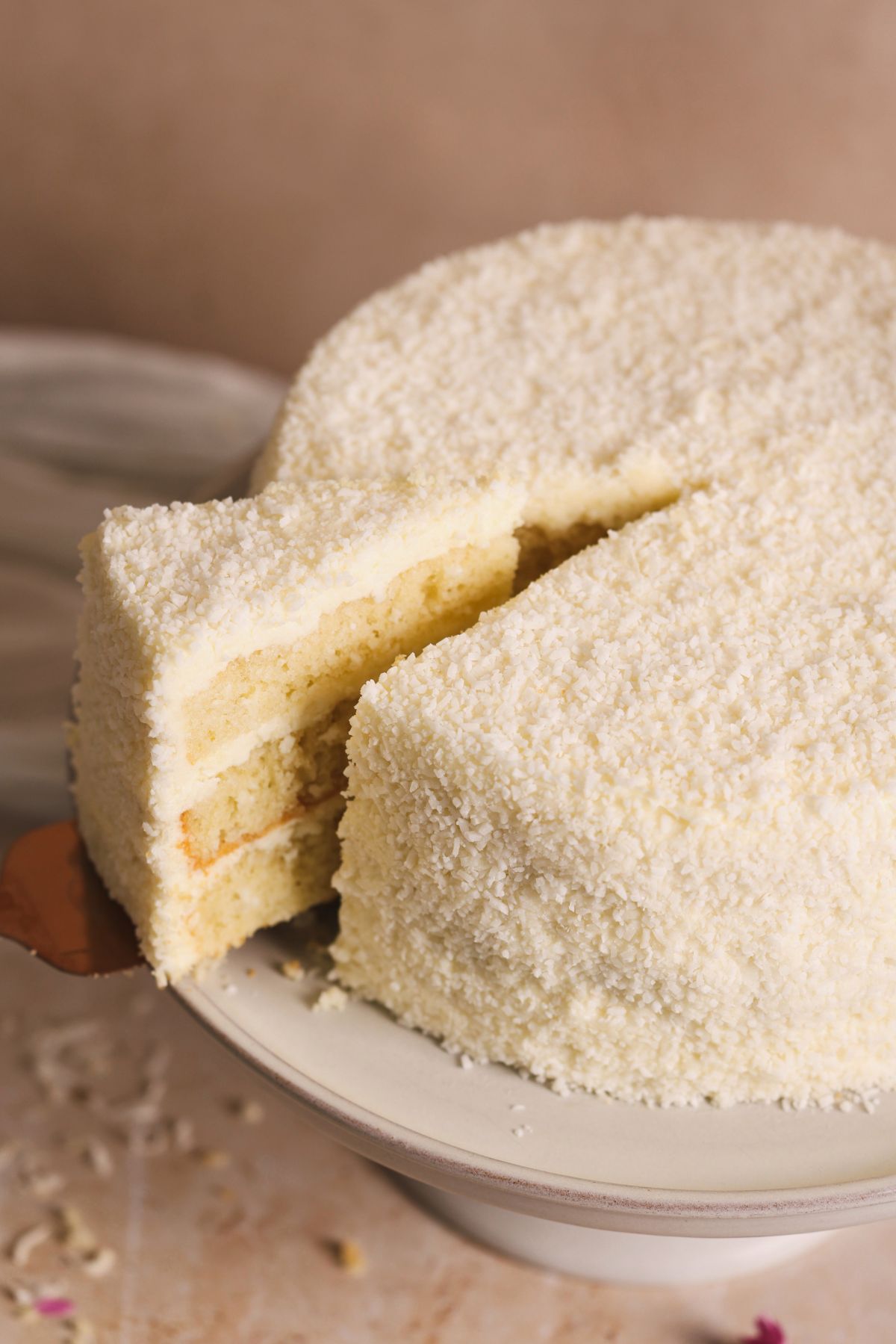
Slather the cake layers with the frosting, cover with more coconut, and serve!
Tips To Perfect This Recipe
- Measure the ingredients in grams with a weighing scale for accuracy! If using cups, make sure to fluff up the flour instead of tightly packing it in
- Make sure to use the right coconut products – more details above!
- Do not overbake the cake! Stop baking as soon as a toothpick inserted in the middle comes out with moist, light crumbs on it. Overbaking will cause the cake to dry out
- Bring the butter and cream cheese to room temperature. This will ensure the frosting is smooth, creamy and easy to mix
- Use temperature to adjust the texture of the frosting. If it feels too soft to work with, place it in the fridge for 10-20 minutes. If it feels too firm, let it sit at room temperature to soften.
- Let the cake fully cool down before assembling. It is really soft and moist, and trying to frost it while it is warm will cause it to break apart
Video Tutorial
Email This Recipe
Enter your email and I’ll send this directly to you. Plus you’ll get new recipes from me every week!
Ingredients
Coconut Cake:
- 1 3/4 cups granulated sugar (350g)
- 3/4 cup vegetable oil (150g)
- 3 large eggs
- 1 tbsp vanilla
- 1 tsp coconut extract (optional)
- 1/3 cup buttermilk (80g) – use 1/3 cup whole milk + 1 tsp vinegar to make your own
- 1 1/4 cup unsweetened canned coconut milk (300g)*
- 2 3/4 cups cake flour (360g)*
- 2 tsp baking powder
- 1/2 tsp baking soda
- 1 tsp salt
- 1 cup sweetened finely desiccated or crushed coconut (120g)*
Coconut Cream Cheese Frosting:
- 1 cup unsalted butter, softened at room temperature (226g)
- 16 oz cream cheese, room temperature (2 8oz blocks or 450g)
- 1 tsp vanilla
- 1 tsp coconut extract (optional)
- ½ tsp salt
- 3 cups powdered sugar, sifted (360g)
- 1 cup sweetened finely desiccated or crushed coconut (120g)* + about 1 cup more to coat the cake
Instructions
Coconut Cake:
- Pre-heat oven to 325F (conventional, no fan) and line 3 8″ cake pans with butter and parchment paper
- Add the sugar, oil and eggs to a large bowl. Whisk for 1-2 minutes until smooth and fluffy
- Add the vanilla, coconut extract, buttermilk and canned coconut milk. Whisk again until all the ingredients are combined and no lumps remain. If there are lumps of coconut milk, they usually dissolve with some whisking
- Sift in the cake flour, baking powder, baking soda and salt. Gently whisk until no lumps of flour remain; do not overmix
- Lastly, add the sweetened desiccated/crushed coconut and mix until combined; do not overmix
- Evenly divide the batter between the 3 cake pans you prepared in step 1
- Bake in the preheated oven for 18-20 minutes, until a toothpick inserted in the middle of the cakes comes out with light, moist crumbs. Do not overbake.
- Let the cakes cool in the pans for 15 minutes, then carefully turn them out onto a wire rack and let cool completely
Coconut Cream Cheese Frosting:
- Add the softened butter, cream cheese, vanilla, coconut extract and salt to a large bowl. Use a hand mixer to whisk for 1-2 minutes until the mixture is creamy, scraping the bowl along the way
- Sift in the powdered sugar, and whisk again on low speed until the sugar is combined and no lumos remain (1-2 minutes)
- Lastly, add the desiccated / crushed coconut and fold it in with a rubber spatula. You should have a fluffy, spreadable frosting
Assembly:
- Once the cakes have cooled down, it is time to assemble. Place the first cake layer on a turntable or cake stand. Spread 1/4th of the frosting on top of it
- Cover with the second cake layer and repeat
- Place the last cake layer on top, and then frost the entire cake with the remaining frosting. You don’t need to worry about crumb coating as the cake will get coated in coconut anyway
- Lastly, coat the cake in more desiccated/crushed coconut. I just grab fistfuls of coconut in my hand and press them against the sides and top of the cake. It does make a little bit of a mess!
- Serve & enjoy! This cake is best eaten at room temperature
Notes
- Canned coconut milk: Use the unsweetened coconut milk that comes in a can and is used for cooking. Place the can in hot water for 5 minutes and shake before opening
- Cake flour: Cake flour has a lower protein content and results in a more tender cake. However, if you can’t find it, you can replace it with the same quantity of all purpose flour
- Sweetened finely desiccated or crushed coconut: You can get either desiccated or shredded coconut from the grocery store, just make sure it is sweetened. Then pulse it in a food processor for 2-3 minutes until it turns into small crumbs. Measure 1 cup after crushing. For an extra strong coconut flavor, I recommend toasting the coconut for 5 minutes at 325F before crushing it!
- Make ahead: You can make and frost this cake 2-3 days in advance. Place it in the fridge for 30 minutes so the frosting firms up, then cover in cling wrap and place back in the fridge. Bring to room temperature for 30 minutes before serving. Alternatively, you can also make the cake layers and wrap them in cling wrap after they cool down. Then refrigerate for 2-3 days, and frost when you are ready to serve
- Storing: Store the cake in an airtight container at room temperature for up to 2 days, or in the fridge for up to 1 week. It can also be frozen for up to 2 months. Bring to room temperature to eat!
More Yummy Cakes
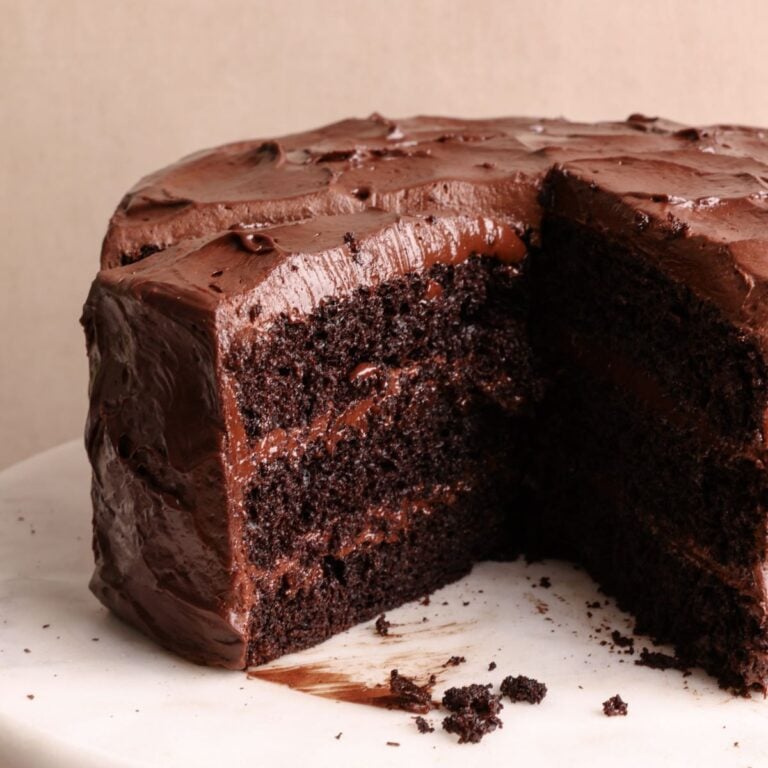
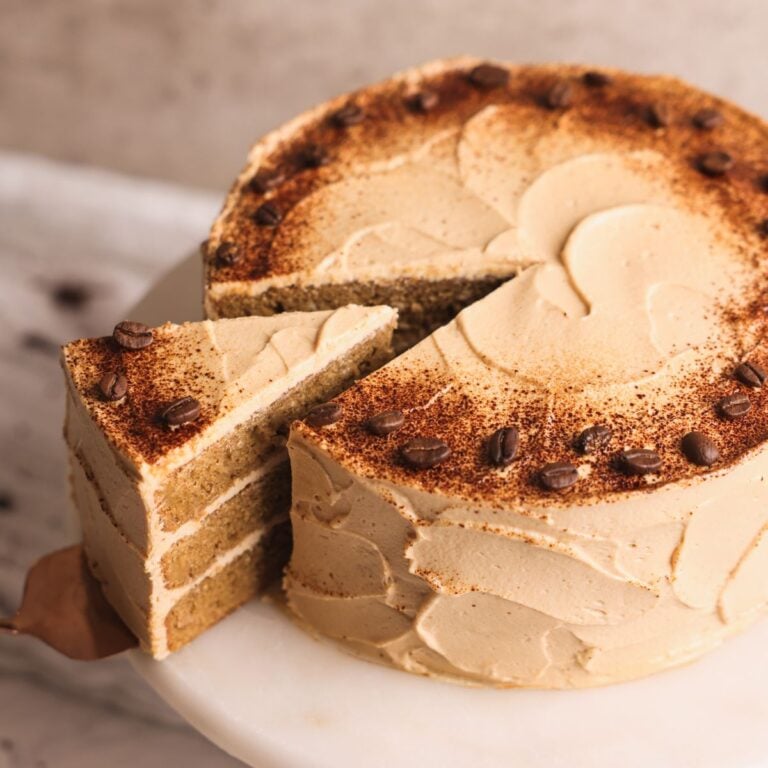
If you want to try more easy and delicious layered cakes, check out these recipes:
Comments
2 matching threads Clear filters
Colene
This cake is indeed soft, moist and easy! And the tip about lightly toasting the coconut is so good. I do have a comment/question, which is why I took away one star…this is the third time I’ve used cake flour and I’ve noticed that it makes cakes have a kind of raw doughy taste – hard to describe but it’s there. Why is that? Other than that, beautiful, moist texture and the frosting is perfect!
Zoha
Hi Colene! Thank you for your review. I don’t find cake flour has that taste personally. Could be the brand you’re using?
Ammara Bashir
Hi Zoha
I tried your coconut cake recipe this weekend. the cake itself turned out really really moist and soft and tastes great. I am not getting full coconut flavor it’s on mild side🙃. what could I do to make it better. Should I add more coconut?I had all ingredients as you mentioned.. also can you tell how can we make sticky coconut topping on top and sides of the cake?
Zoha Malik
If you didn’t add the coconut on top of the cake, there’s less coconut in the cake and therefore less flavor! I just toast sweetened dessicated coconut and stick it onto the frosting using my palms!